
How I Learned to Track Ovulation and Trust My Body with Irregular Cycles
I used to think my body was broken.
My periods had always been erratic, unpredictable, inconsistent, and frustrating. When we started thinking about having our first baby, I was convinced this meant I would struggle to conceive. Every app and article I found seemed to assume that everyone ovulates like clockwork, and I clearly didn’t.
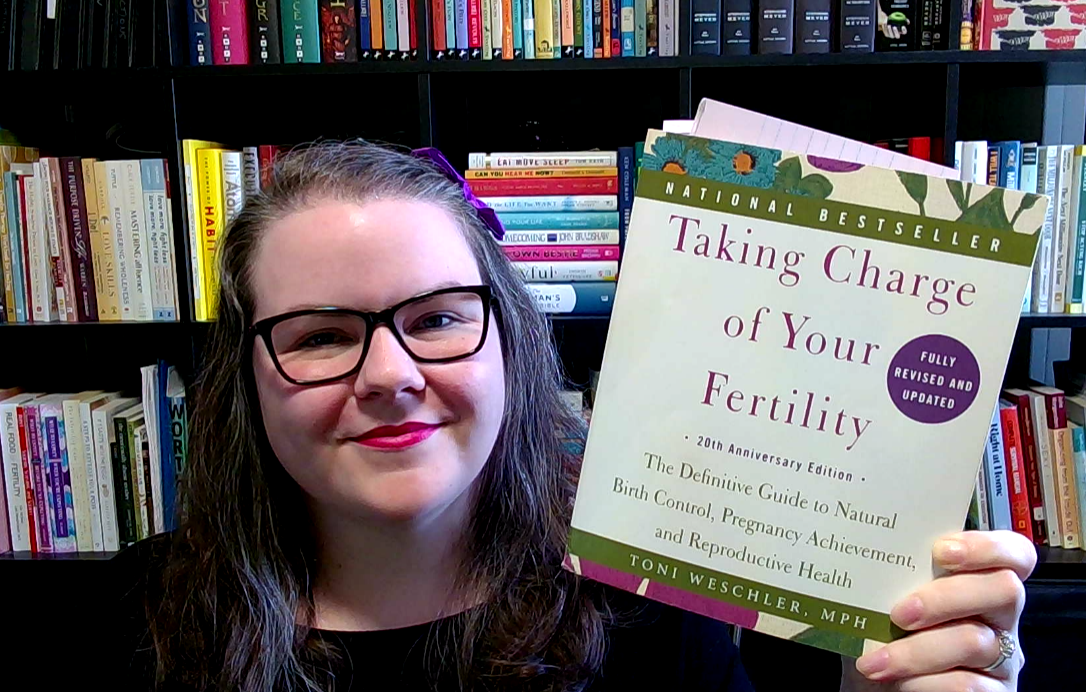
So when it felt like the right time, I dove into research. One of the most helpful resources I found was Taking Charge of Your Fertility by Toni Weschler. Slowly, I began to understand something that changed everything: irregular cycles do not mean infertility.
I learned a ton from this book, and it was a giant step towards accepting my body. In the end, it was a big part of what brought me to helping others on their journeys as well. I actually recommend this book to women every, single, day!
Why Irregular Cycles Don’t Mean You’re Broken
Tracking Ovulation Through Real Chaos
The Moment Trust Clicked
Somewhere along the way, something shifted.
I stopped seeing my irregular cycles as failure and started seeing them as information.
My body was not a machine that needed fixing. It was responsive, adaptive, and even protective. I began to notice patterns over time. I charted consistently, even on the hardest days, including taking readings on the side of the road during a move.
I also learned the details mattered. Taking my temperature at the same time each day made a difference.
Wearing my Tempdrop incorrectly throws everything off.
These were not small things. They shaped how clearly I could understand my cycle.
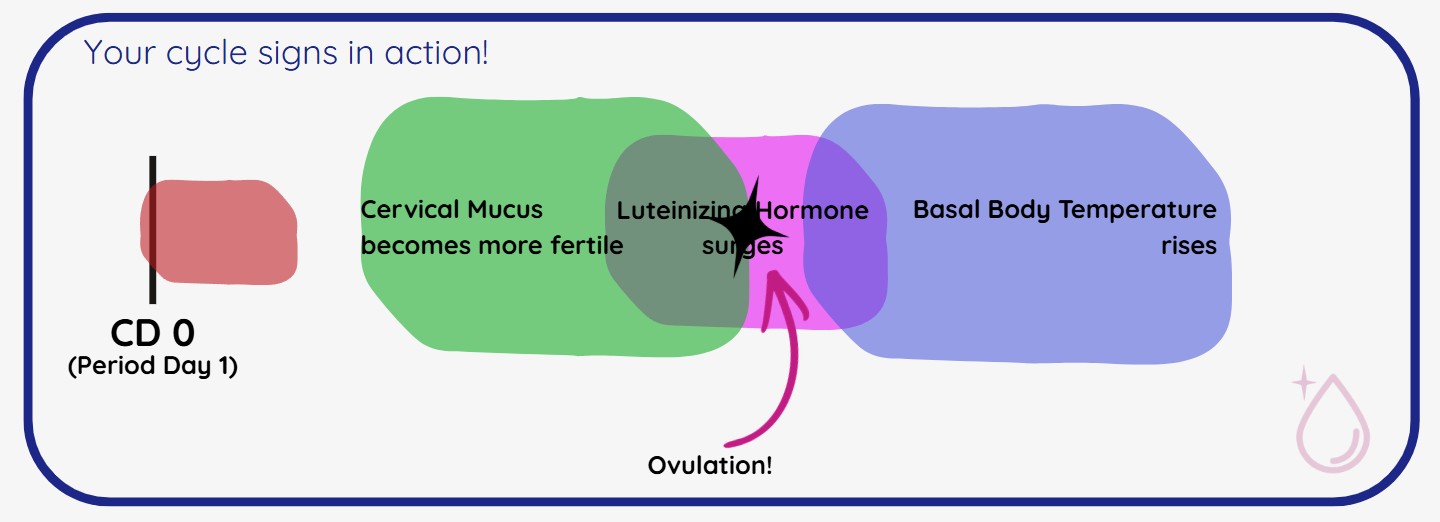
I learned to separate what felt hopeful from what was actually reliable. A darkening LH strip was exciting, but I knew not to rely on it alone.
With unpredictable cycles, I learned to trust my combined fertility signs more than any single signal.
Most importantly, I learned this: when something is not clear, it simply is not clear yet. That uncertainty does not mean something is wrong.
Cycle Tracking Tips for Irregular Cycles
If you are in this place too, here is what helped me most:
Learn your body slowly. I know that is not the most satisfying answer, but time and observation truly matter.
Start with one tracking method at a time. Build confidence before adding more.
Combine methods once you are ready. Each one gives you a different piece of the full picture.
Stay consistent. Even small gaps in data can make things much harder to interpret.
Be patient with your body. Delayed ovulation is not rebellion. It is responsiveness.
When ovulation is not clear, keep observing. Do not assume you have missed it. Wait until you are confident.
Cycles can still surprise me. But I no longer look at a late period and think, “Something is wrong.”
Now I think: this cycle just needed to be different.
And from there, we know how to move forward.